
Huai Sai Wildlife Breeding Station
สถานีเพาะเลี้ยงสัตว์ป่าห้วยทราย
Cha-am
Gallery
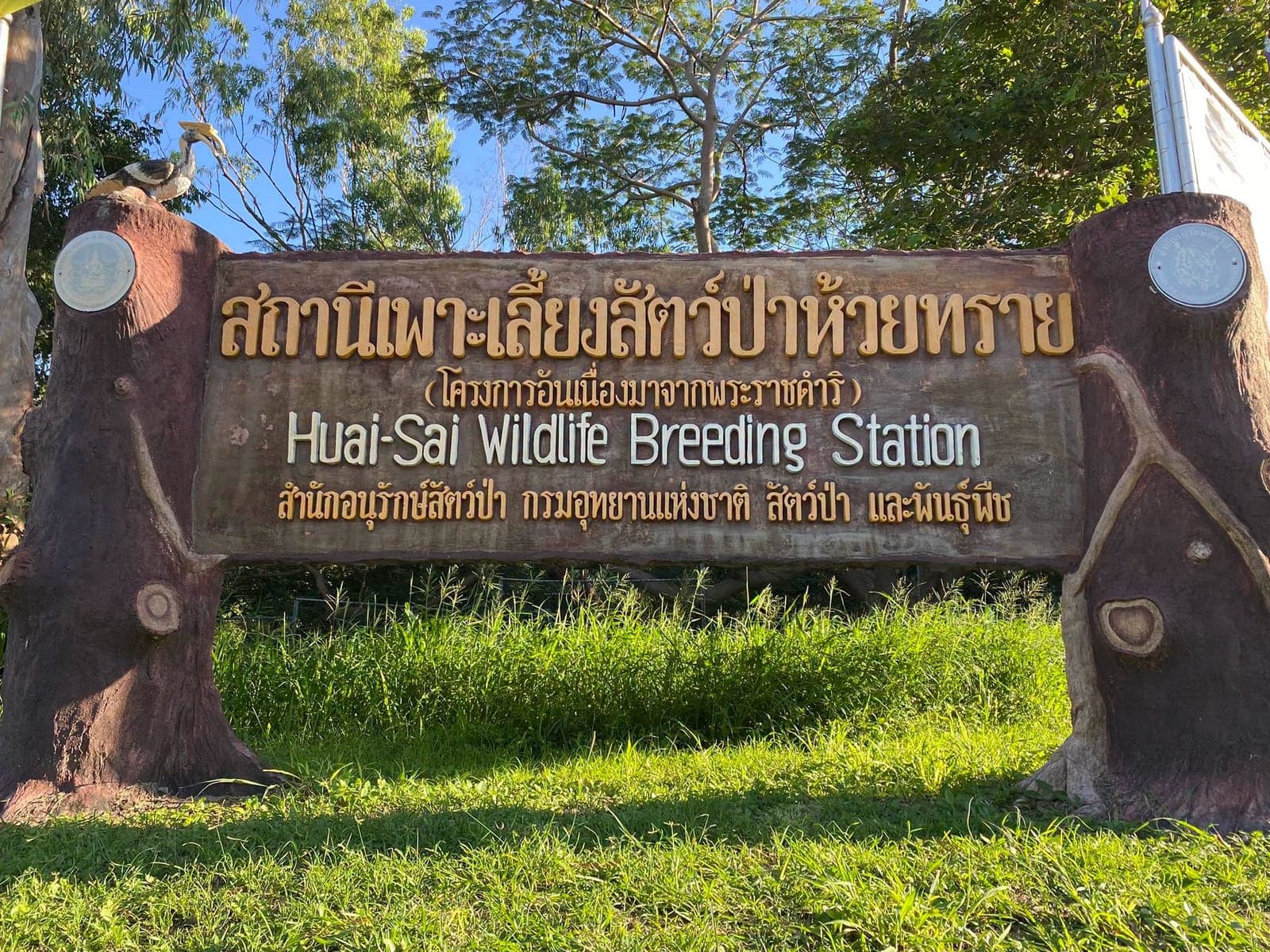
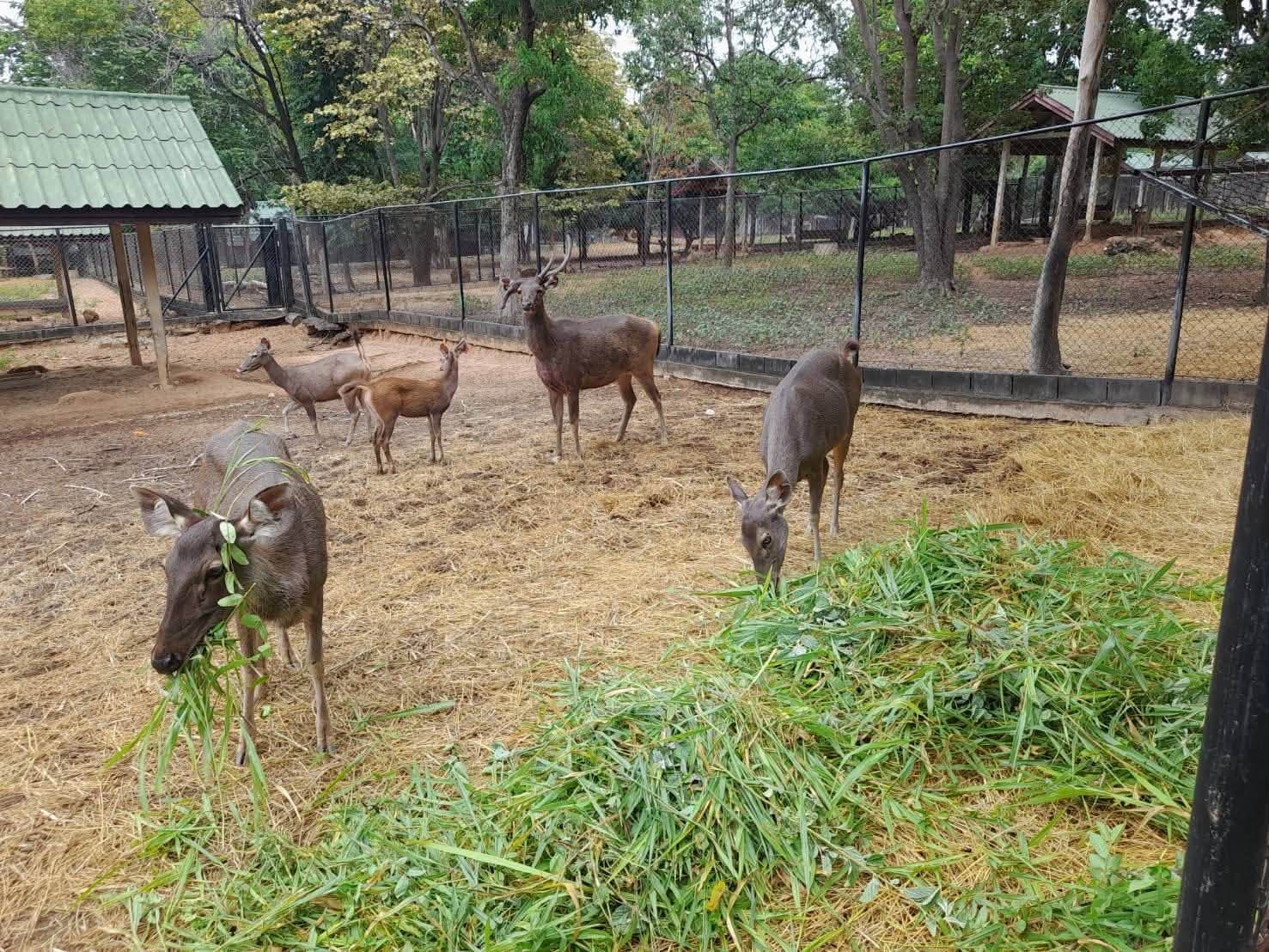
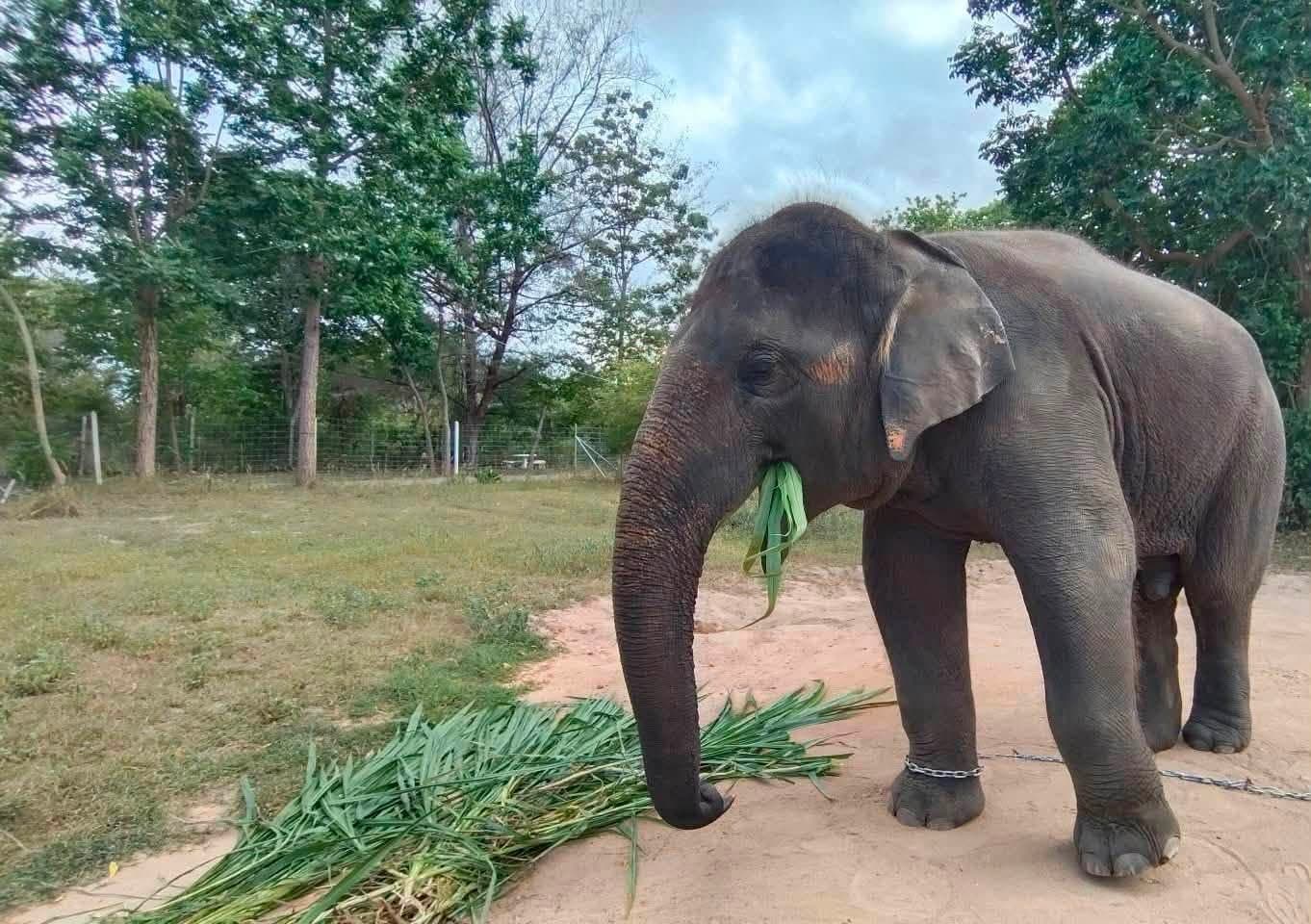
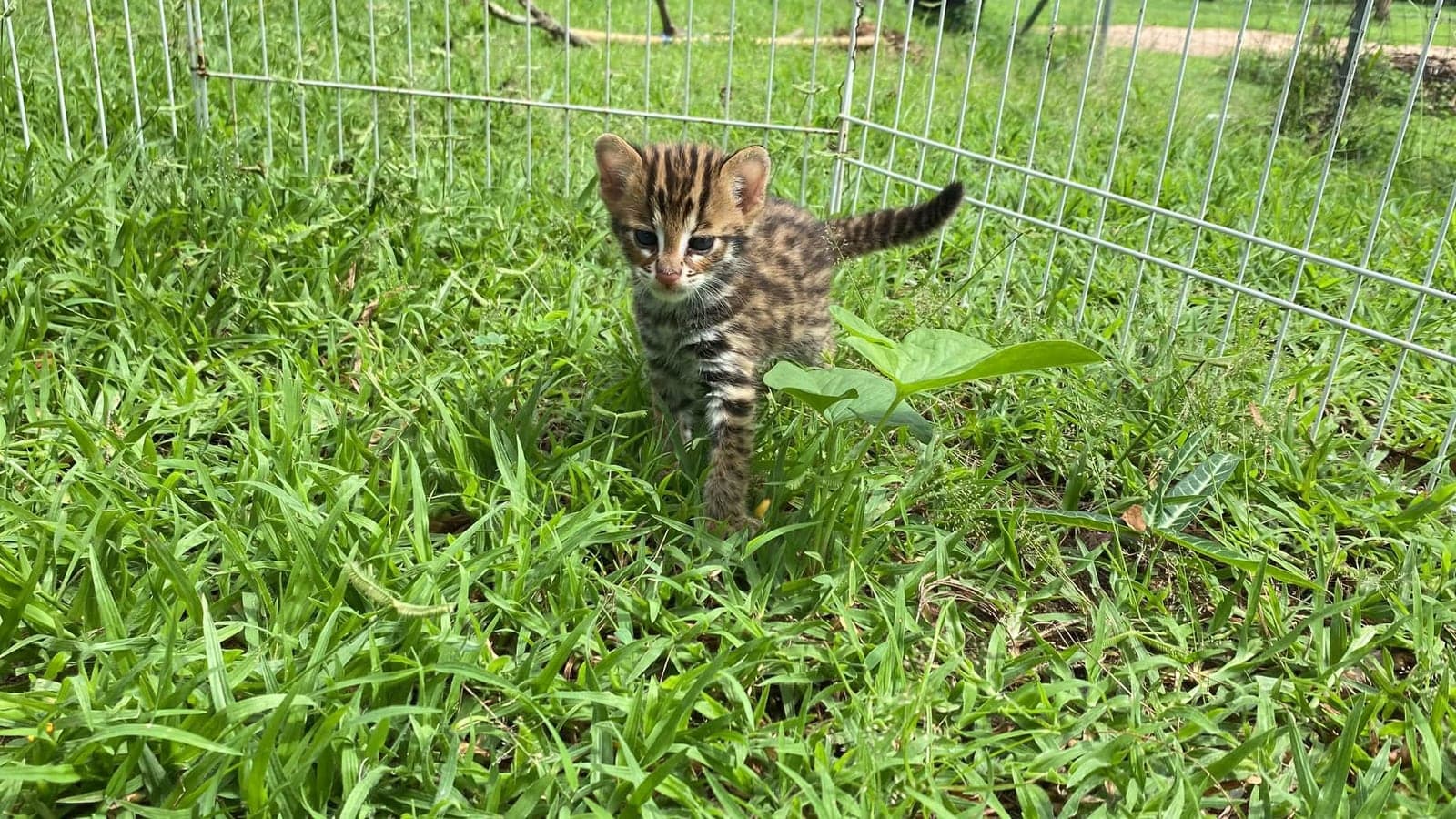
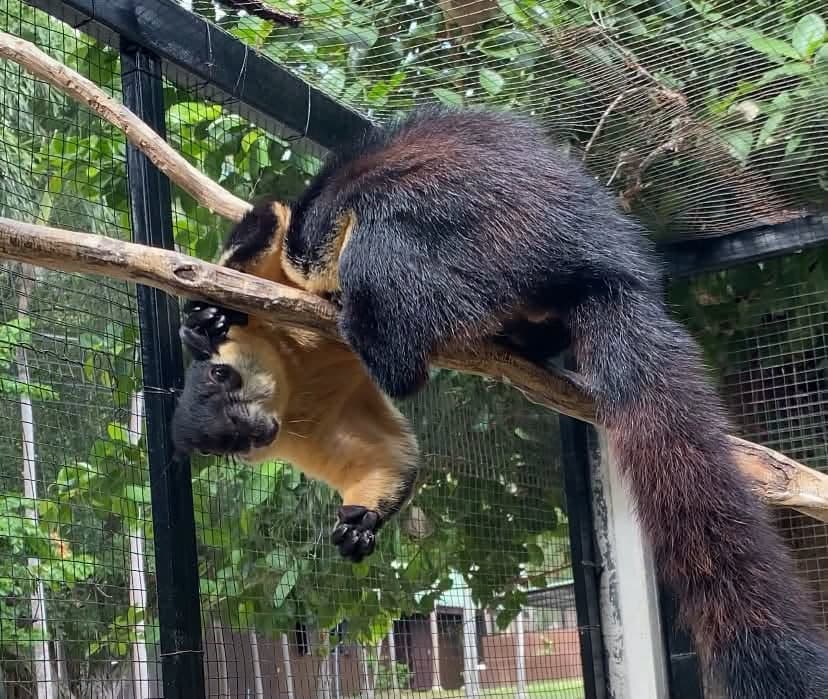
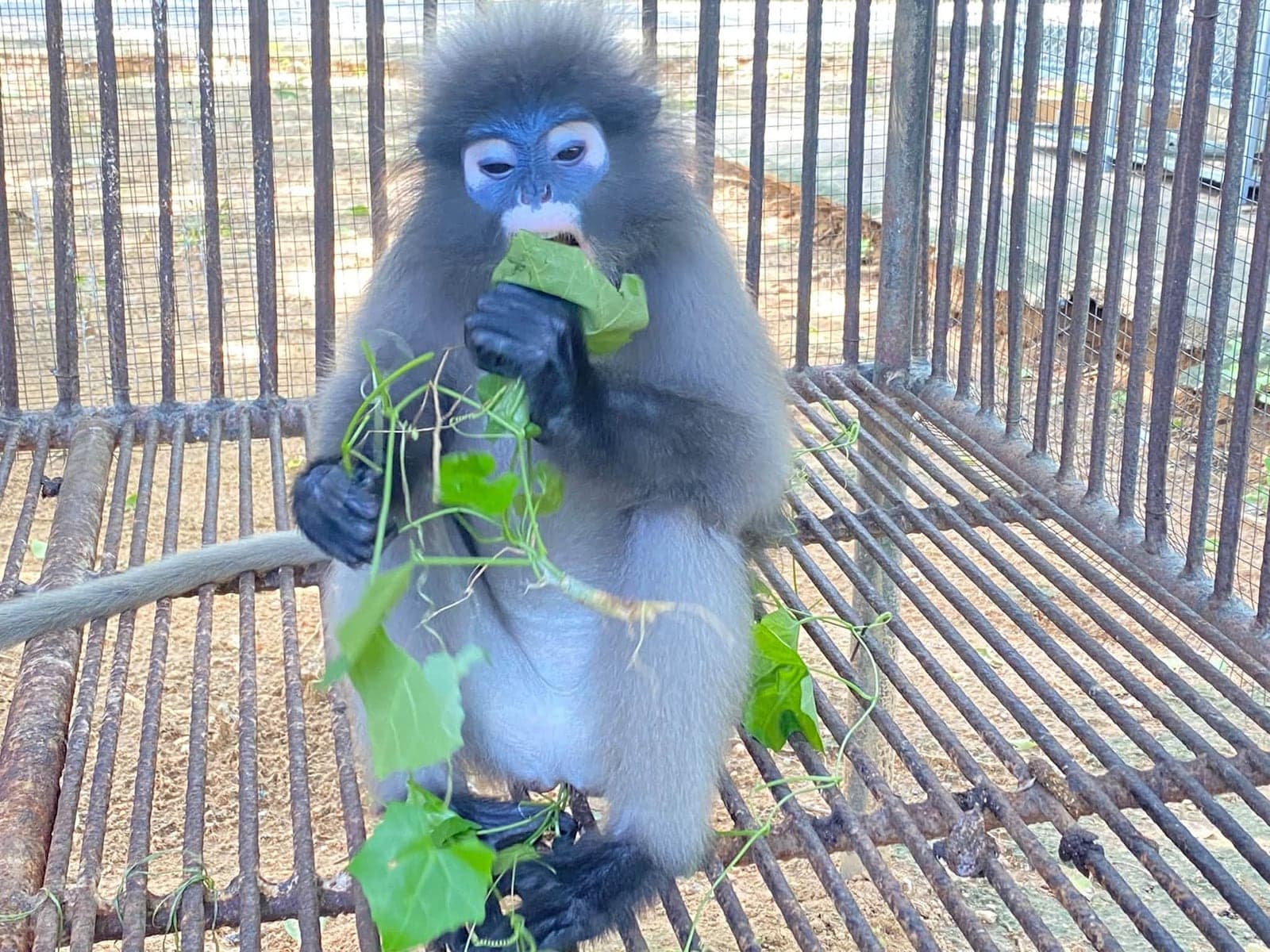
Photo from สถานีเพาะเลี้ยงสัตว์ป่าห้วยทราย (facebook.com/61575582366275)
Huai Sai Wildlife Breeding Station in Sam Phraya Subdistrict, Cha-am District, is a government station that breeds and cares for wild animals. It is open free of charge every day, with rare Thai wildlife, young animals raised by the staff, and one elephant.
What animals are there
- An elephant, deer and serow
- Dusky langurs, monkeys, and baby monkeys raised on milk bottles
- Leopard cats, binturongs, Asian small-clawed otters, yellow-throated martens and black giant squirrels
- Crocodiles, birds and chickens
Activities and entry
- Free entry
- Fruit baskets for feeding the animals, 50 baht each (reviews, Jul–Oct 2026)
- Feeding bananas to the binturong on a skewer, and fruit to the deer
Good to know before you go
A reviewer in Oct 2026 said the animals were in good condition and the place was clean with hardly any smell, while a reviewer in Aug 2026 felt some enclosures were still cramped. The station also has a monkey shelter of more than 7,000 square metres, built in late 2023 to take in long-tailed macaques moved from Khao Wang (Thai PBS, Dec 2023). There is a large car park. Rated 4.6 from 1,154 reviews on Google (Oct 2026).
Opening hours and getting there
Open daily 08:00–16:30. In Sam Phraya Subdistrict, Cha-am District; searching for the station's name in Google Maps finds it straight away. Enquiries: 083 396 2247 or the station's Facebook page, สถานีเพาะเลี้ยงสัตว์ป่าห้วยทราย.
Photo credits
All photos on this page come from the Huai Sai Wildlife Breeding Station's Facebook page. Photo copyright belongs to the Huai Sai Wildlife Breeding Station.
Animals at Huai Sai Wildlife Breeding Station
11 kinds of animal to meet, each with a short introduction
Asian elephant
Elephas maximus
Thailand's national animal. It eats more than 100 kg of grass, leaves and fruit a day, and uses its trunk to pick up food, drink and communicate.
Viewing onlyOne elephant (Google review, Aug 2026)
Deer
Cervidae
A cloven-hoofed plant-eater. The males have antlers that drop off and grow back every year. Deer eat grass, leaves and fruit.
FeedingAnimal feed 50 baht
A reviewer in Oct 2026 fed them fruit from a 50-baht basket
Serow
Capricornis sumatraensis
One of Thailand's reserved wildlife species. Goat-like in shape, it lives on limestone cliffs and is a nimble climber.
Viewing onlyDusky langur
Trachypithecus
A langur with white rings around its eyes, as if it were wearing glasses. It eats mainly leaves, and newborn langurs have golden-orange fur.
Viewing onlyMacaques
Macaca fascicularis
The monkey commonly seen at Khao Wang and Khao Luang Cave. It lives in large troops, is clever and likes to snatch things from people's hands, so keep bags and food well out of sight.
Viewing onlyBaby monkeys the station raises on milk bottles (page, Aug–Oct 2026); since late 2023 there has been a monkey shelter enclosure of more than 7,000 sq m taking in long-tailed macaques from Khao Wang (Thai PBS)
Leopard cat
Prionailurus bengalensis
A wild cat the size of a house cat, with black spots all over. It hunts rats and small birds at night.
Viewing onlyLeopard cat kittens (page, Sep–Oct 2026)
Binturong
Arctictis binturong
Not a bear but a relative of the civets. It can grip branches with its long tail, and its body smells like popcorn.
FeedingAnimal feed 50 baht
Bananas offered on a skewer (Google review, Jul 2026)
Asian small-clawed otter
Lutrinae
A small swimmer that catches fish and shellfish with its hands. Otters live in family groups and chatter to each other all the time.
Viewing onlyPost on the page, 28 Oct 2026
Yellow-throated marten
Martes flavigula
A long, slender carnivore of the weasel family with a bright yellow throat. It is a good tree climber and is active by day.
Viewing onlyBlack giant squirrel
Ratufa bicolor
A large squirrel of Thailand's forests with a long, bushy tail. It lives high up in the tree canopy.
Viewing onlyCrocodile
Crocodylidae
An ancient reptile that spends most of its time in water. Thailand's freshwater crocodile, the Siamese crocodile, is endangered in the wild.
Viewing only